
Built for the room,
not the shelf.
Matterhorn cinema loudspeakers, engineered to the reference levels set out in CEDIA RP‑22 — and to the scale that large rooms actually need.
A cinema loudspeaker is
a different object.
We did not set out to become a loudspeaker manufacturer. We became one because of a pattern we kept running into.
Over eighteen years of designing and calibrating cinema rooms, the same thing happened often enough to stop being a coincidence. A room would be built properly, treated properly, fitted with well-reviewed loudspeakers — and then fail to reach reference level with its headroom intact once those speakers were sitting behind a screen, doing the job a cinema actually asks of them. Not because they were bad speakers. Because they had been designed for a different purpose, and chosen on reputation rather than against a target.
So we built the range we kept wishing we could specify. Every Matterhorn model starts from the performance a finished room has to demonstrate, and works backwards to the drive units and cabinet needed to get there with margin in hand.
Three models cover a complete cinema.
From a compact dedicated room up to a screening room or a venue theatre. What changes is how many of each — and whether the front array steps up to the 12 or stays with the 8.
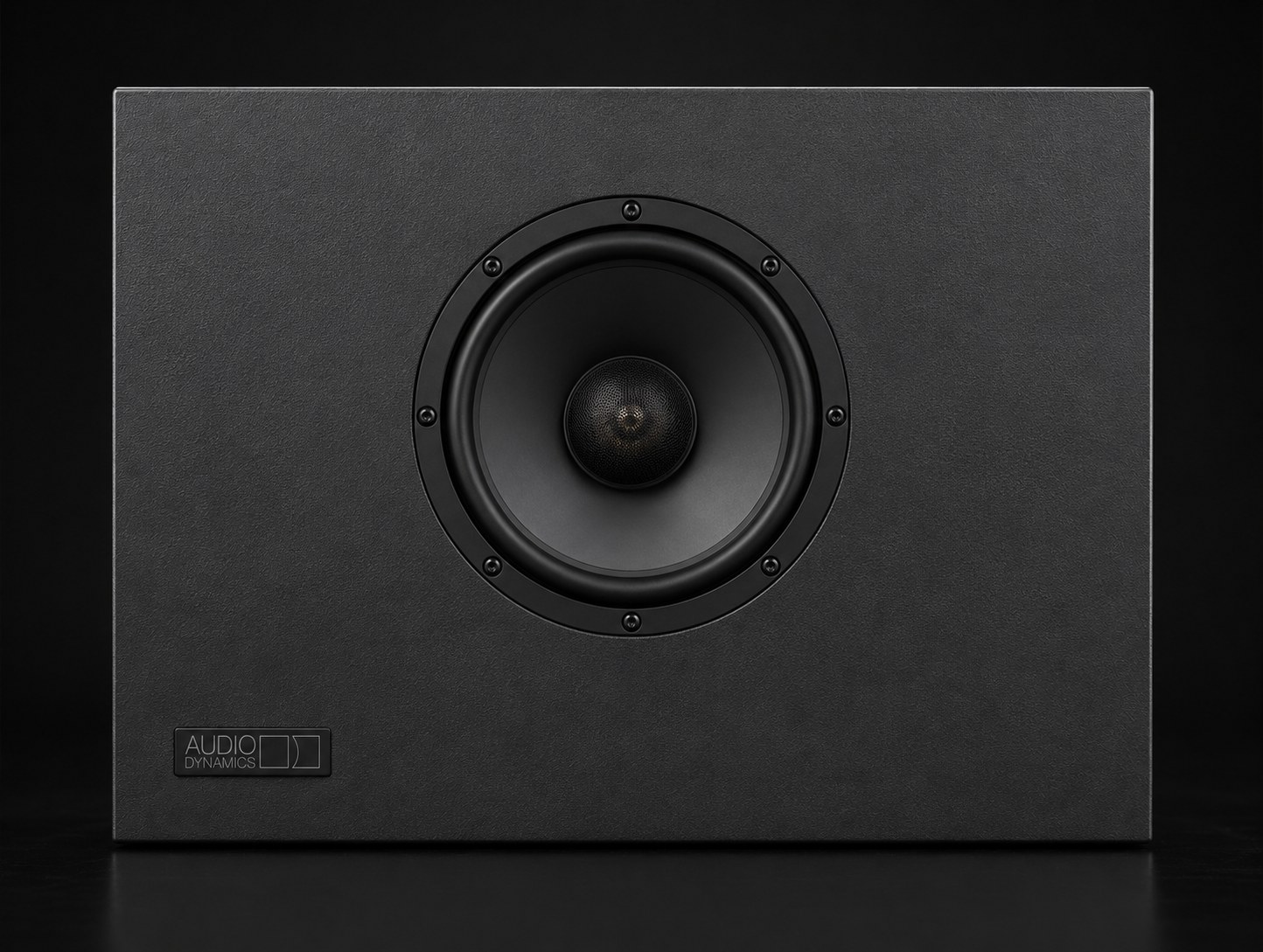
Front LCR
Matterhorn 12
The flagship front channel. A sealed coaxial two-way on a twelve-inch woofer, with the radiating area to hold reference level in medium and large rooms, behind an acoustically transparent screen.
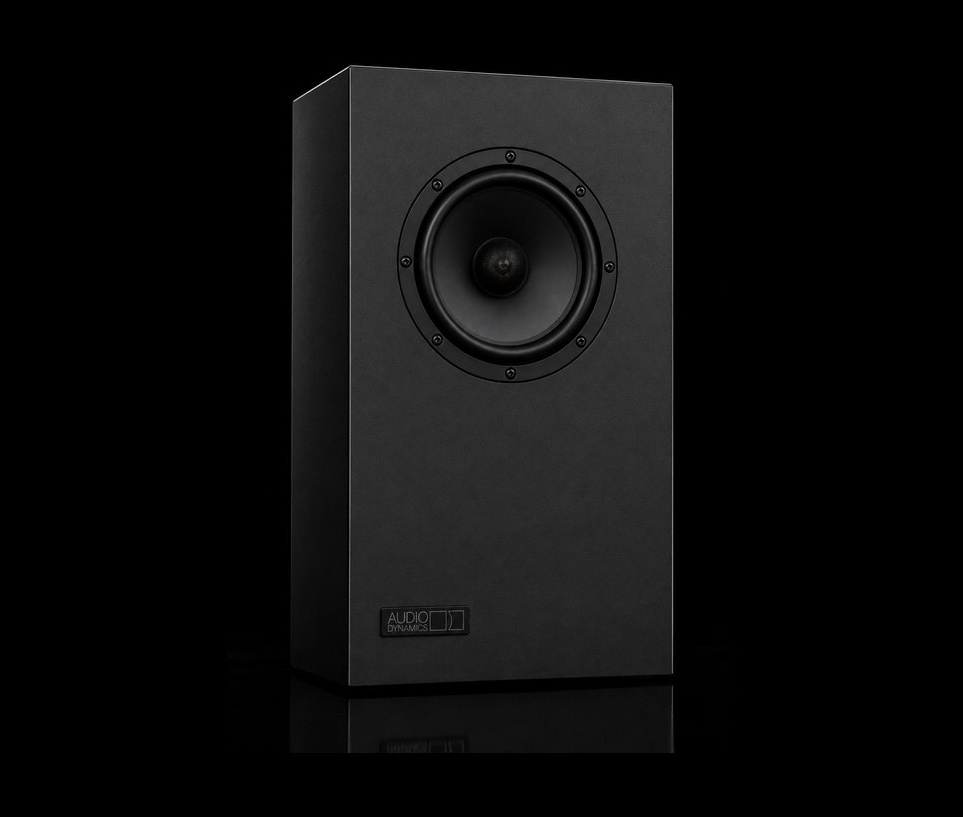
Surround · Compact LCR
Matterhorn 8
Surround and surround back in a large room; front LCR in a smaller one. Same voicing as the 12, scaled to the room rather than substituted for it.
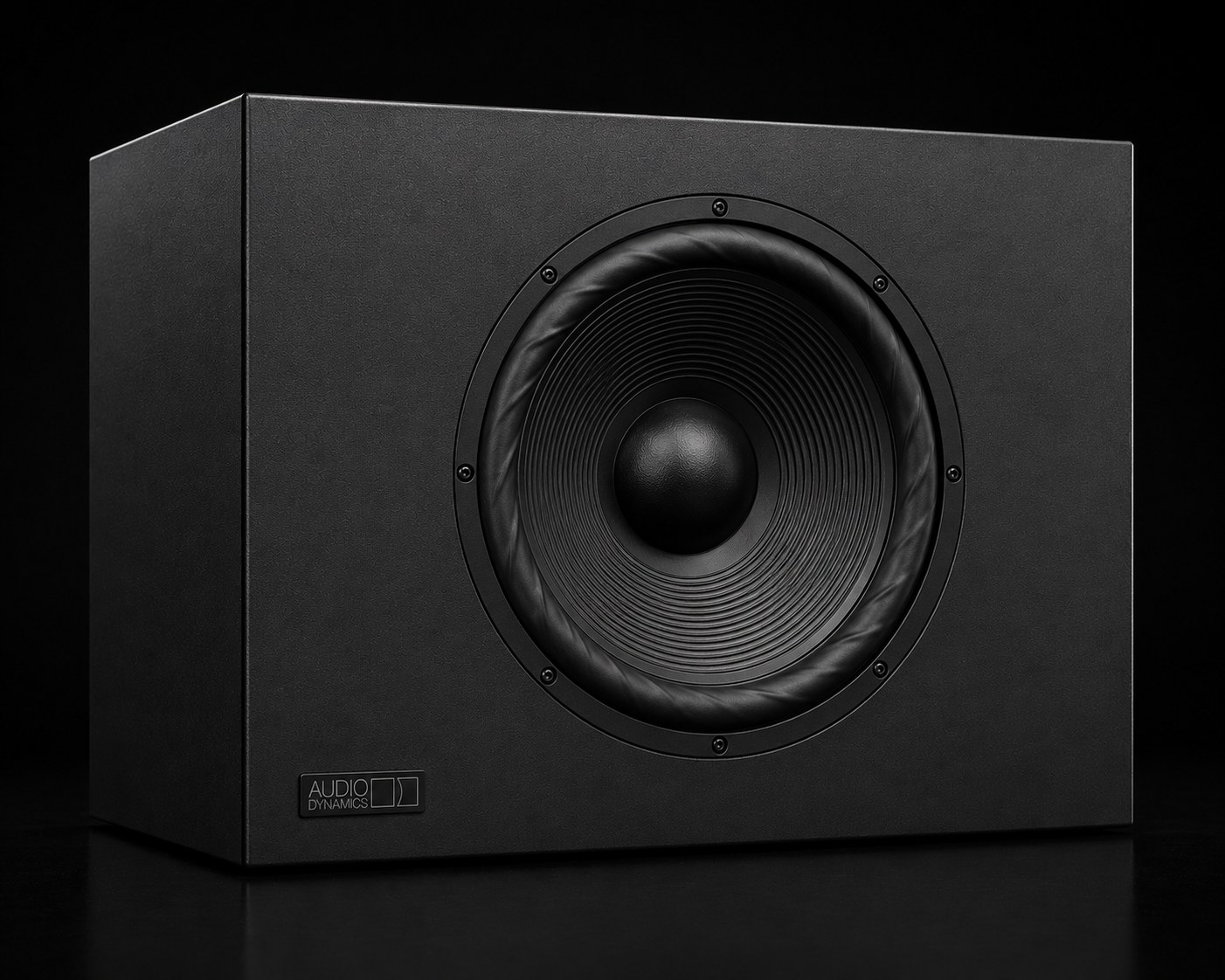
Subwoofer
Matterhorn 18S
An eighteen-inch drive unit in a sealed enclosure, carrying the LFE channel and bass-managed content. Specified in pairs, for reasons worth reading.
Designed to a number,
not to a reputation.
CEDIA RP‑22 is the recommended practice for verifying audio performance in a residential cinema. What makes it useful is that it does not describe equipment — it sets targets the finished room has to meet.
Which means the result can be measured rather than asserted. A room designed to RP‑22 gives the client a number to hold us to, instead of an opinion to take on trust.
Headroom is what catches speakers out
Each group of channels has an average level to hit and a peak it must reach without strain. Reaching the average is easy. Holding the peaks cleanly is not.
Measured across the seats
Performance is verified across the whole seating area rather than at a single position — which is why controlled dispersion matters more than an impressive on-axis response.
Every group carries its own target
Screen channels, surrounds and subwoofers are each held to their own figure. A system is only as good as the group that falls short.
Reference level is defined at the seat, not at the loudspeaker.
That single detail is what separates a cinema loudspeaker from a domestic one, and it is where most well-regarded speakers quietly come undone. Move the seats further back and the loudspeaker has to work considerably harder to deliver the same level at the seat. Enlarge the room and it has to work harder again to pressurise the extra volume. Put it behind an acoustically transparent screen, which costs a little more output still, and the margin that looked comfortable on a specification sheet is gone.
Matterhorn is built with the radiating area to avoid that. A twelve-inch front channel and eighteen-inch subwoofers are cinema proportions rather than domestic ones — and the purpose of that scale is not loudness. It is that the system reaches reference while working well within itself, so peaks land cleanly and dialogue stays natural in the back row.
Beyond the private cinema.
The same headroom that suits a large private cinema suits rooms that are not houses at all.
Screening rooms and preview theatres, where the sound has to stand up to people who watch films for a living. Theatres in clubhouses, hotels and apartment developments, run daily for a rotating audience. Auditoria and boardroom theatres that need genuine cinema performance rather than a presentation system with a subwoofer added.
These rooms are usually larger, often have more seats to cover, and are frequently built into a shell with its own acoustic problems. The requirement does not change — reference level, held cleanly, for a full feature.
Hear them in a finished room.
Matterhorn is best judged the way it is used — at reference level, behind a screen, in a room that has been designed and calibrated around it.